Amazon
 Flipkart
 Azista
29 Jan, 2026
30 Apr, 2026
25 Apr, 2026
20 Apr, 2026
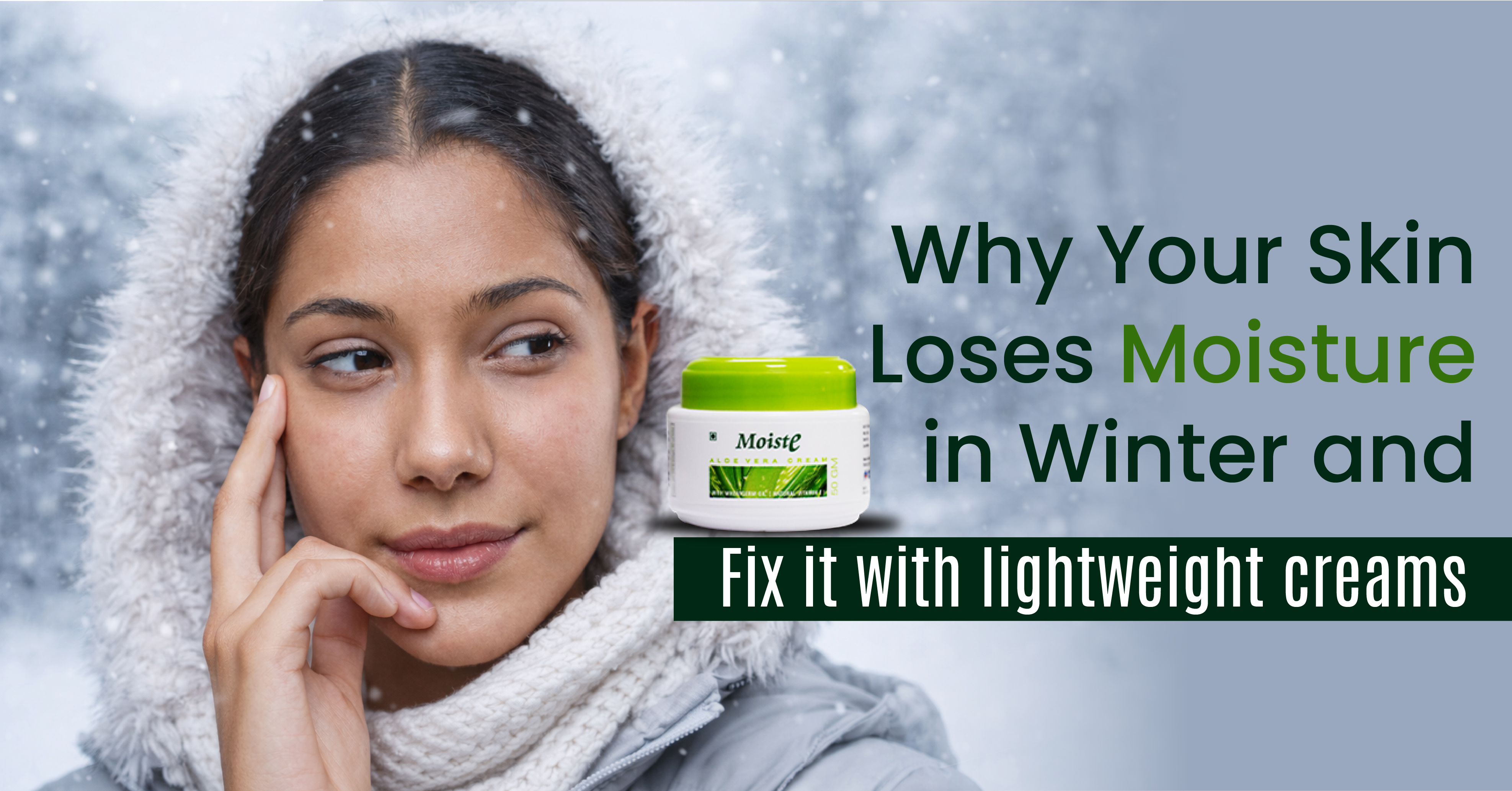
Skin loses moisture in winter due to low humidity, cold winds and weakened skin barrier function. This leads to dryness, tightness and dullness. The solution isn't always heavy creams-using lightweight, ceramide-based moisturisers, gentle cleansing and barrier repair can keep skin hydrated without a greasy feel.
If your skin feels rough, stretched or uncomfortable during winter, you're not alone. Across India, winter brings cooler air, lower humidity and lifestyle changes that quietly disrupt your skin’s natural moisture balance.
Understanding why skin gets dry in winter is the first step to fixing it - especially if you prefer lightweight moisturisers for winter rather than thick, heavy creams.
Cold air holds less moisture. Even in Indian winters, reduced humidity causes water to evaporate from the skin faster than it can be replaced - leading to dehydration.
Your skin barrier is responsible for locking in hydration. In winter, this barrier becomes fragile, resulting in increased moisture loss. This is why skin barrier repair in winter is essential.
Hot water strips natural lipids from the skin, worsening dryness - one of the most common winter skincare mistakes.
Many people skip moisturising oily skin in winter, assuming it isn’t needed. This actually worsens dehydration and oil imbalance.
This is why adding oil alone doesn’t fix winter dryness - hydration and barrier repair matter more.
Not always.
While rich creams help extremely dry skin, many people experience:
For most skin types, especially in Indian winters, lightweight moisturisers with barrier-repair ingredients are often more effective and comfortable.
A healthy barrier prevents moisture loss. Look for moisturisers with:
This combination offers long-lasting hydration without a greasy finish
Products like ceramide-based daily lotions , such as those formulated by Moiste, are designed to support barrier health while remaining comfortable for everyday winter use.
A good lightweight winter moisturiser should:
This suits
For normal to dry skin needing slightly more nourishment, a lightweight cream texture-like Moiste Cream-can provide added comfort without feeling heavy.
This routine supports skin hydration winter without overwhelming the skin.
Oily skin still needs moisture in winter.
Best practices
Balanced hydration helps control oil while preventing dryness.
| Ingredient | Benefit |
|---|---|
| Ceramides | Strengthen the skin barrier and reduce moisture loss |
| Squalane | Lightweight hydration without greasiness |
| Hyaluronic Acid | Helps attract and retain moisture |
A well-formulated ceramide moisturiser delivers hydration and comfort without the heaviness of traditional winter creams.
Correcting these habits improves skin texture noticeably within weeks.
Low humidity, cold air and weakened skin barrier cause faster water loss from skin.
Yes, if they contain barrier-repair ingredients like ceramides and squalane.
Not bad, but unnecessary for many skin types and can feel uncomfortable or clog pores.
Use gentle cleansers, moisturise regularly, avoid hot showers and protect the skin barrier.
One that suits your skin type and focuses on barrier repair rather than heaviness.

Explore
News Letter Subscription
Copyright © All Rights Reserved by Hetero Healthcare Limited